
One Platform. Connected Solutions. Better Outcomes.
HCUnity integrates APCM, RPM, CCM, TCM, AWV, Telehealth, and RTM-MSK into a single platform—unlocking whole-patient data, reducing burdens, and driving success in value-based care.

Remote Patient Monitoring
Most organizations only capture part of the picture when managing patients remotely. Our RPM solution unlocks whole-patient data by integrating connected devices, daily vitals, and EHR-driven insights into one streamlined platform. With real-time monitoring, automated alerts, and patient engagement tools, providers can intervene earlier, reduce hospital readmissions, and keep patients actively involved in their care.
Built for value-based care, HCUnity’s RPM simplifies compliance, strengthens care coordination, and creates sustainable revenue streams—helping providers deliver better outcomes while controlling costs.

Advanced Primary Care Management (APCM)
Many practices struggle to move beyond reactive care. HCUnity’s APCM solution unlocks whole-patient
data to support proactive, team-based care that aligns with value-based models. By integrating
seamlessly with your EHR, APCM enables providers to identify patient needs earlier, coordinate care
across teams, and engage patients in managing chronic conditions before they escalate.
Built for value-based care, HCUnity’s APCM streamlines compliance, enhances care planning,
and generates sustainable revenue opportunities. The result: healthier patients, stronger
practice performance, and a foundation for long-term growth.
Remote Therapeutic Monitoring – Musculoskeletal (RTM-MSK)
Physical therapy doesn’t end when the visit does—but many providers lack the tools to keep patients engaged at home. HCUnity’s RTM-MSK solution unlocks whole-patient data by combining daily check-ins, functional progress tracking, and automated alerts into one connected platform. Therapists can monitor recovery after injury, surgery, or chronic conditions, adjust care plans in real time, and intervene before setbacks occur.
Designed for value-based care, HCUnity’s RTM-MSK improves adherence, reduces readmissions, and ensures compliance with RTM billing codes. The result: stronger patient engagement, measurable outcomes, and new revenue opportunities for both clinics and home health providers.

Chronic Care Management (CCM)
Managing chronic conditions often means navigating fragmented data and inconsistent patient engagement. HCUnity’s CCM solution unlocks whole-patient data to give providers a clear, connected view of each patient’s health. With structured care plans, time tracking, and automated documentation, CCM helps practices deliver continuous support while easing the administrative burden.
Aligned with value-based care, HCUnity’s CCM improves patient engagement, reduces hospital readmissions, and ensures compliance with billing requirements. The result: better outcomes for patients, stronger revenue for practices, and a more sustainable path forward in managing chronic disease.
Telehealth
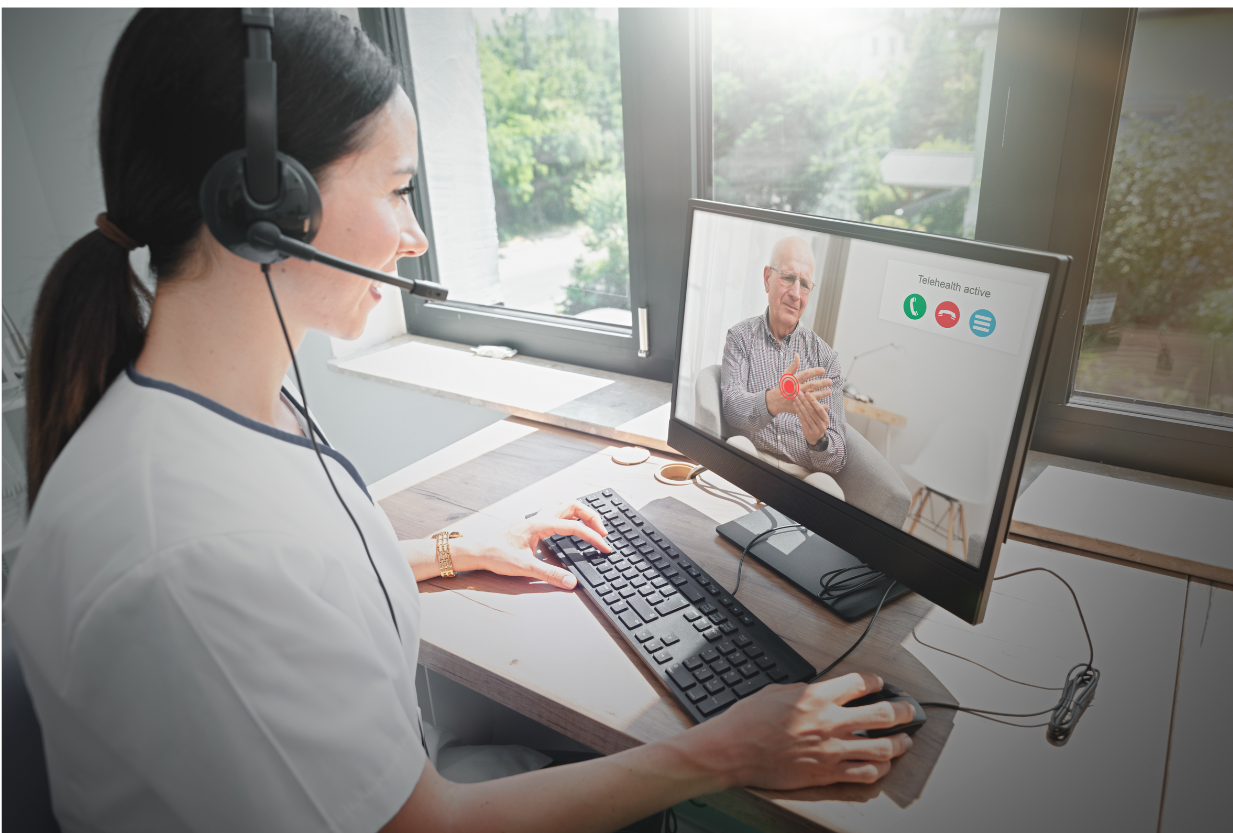
Too often, virtual care feels disconnected from the rest of patient management. HCUnity’s Telehealth solution unlocks whole-patient data by integrating visits directly with RPM, CCM, APCM, TCM, AWV, and RTM-MSK on one platform. Providers gain a unified view of patient history, vitals, and care plans—ensuring every virtual encounter is informed and connected.
Aligned with value-based care, HCUnity’s Telehealth expands access, strengthens patient engagement, and reduces barriers to timely care. The result: more coordinated encounters, improved outcomes, and sustainable revenue growth through a fully integrated digital care model.
Care Connect Mobile Application
- Auto-Captured Vitals
Bluetooth devices transmit data securely via cellular or WiFi—no manual input needed. - Real-Time Alerts & Trends
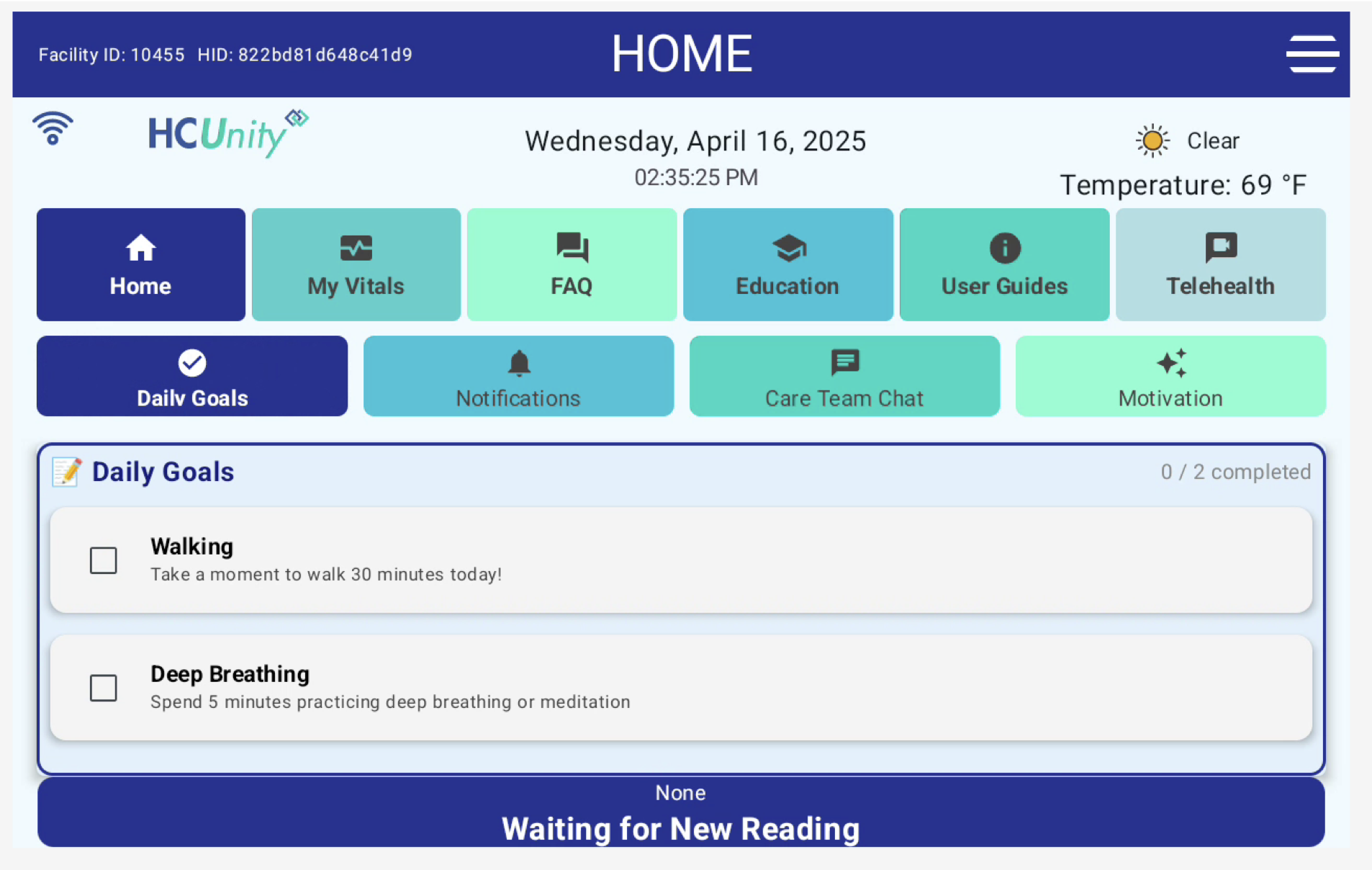
Track vitals over time and receive alerts the moment something changes. - Patient Engagement Tools
Includes daily motivational messages, voice alerts, and on-tablet education. - Two-Way Messaging
Secure chat keeps patients connected to their care team at all times. - Patient Daily Goals- Includes daily vitals and medication reminders. Patient goals, etc
- Calendar – doctor appt, office monthly call from care team, etc.
- FAQ’s
- User Guides
- Zero-Touch Setup
Pre-configured devices make onboarding fast and frustration-free. - Telehealth Ready
Video visits and real-time chat support more complete, connected care. - Seamless Integration
Works with your EHR—supports FHIR, HL7, and open API connections. - HIPAA-Compliant & Secure
All data is encrypted and protected to meet strict healthcare privacy standards. - CMS-Compliant & Billable
Supports RPM billing codes to help maximize reimbursement opportunities. - Auto Retake Alerting – Vitals Out of Range/High or Low Tells patient to retake vitals and counts down and alerts them when ready
- Cellular and WiFi
- Branded Tablet
Our ROI Calculator helps you determine the potential financial benefits your practice can achieve by utilizing our care management tools. You enter a few numbers, such as the number of patients you want to enroll, and the calculator does the math. It demonstrates how your practice can generate additional revenue, eliminate unnecessary expenses, and expand over time—all while providing patients with improved care.
Transitional Care Management (TCM)
Patients leaving the hospital face the highest risk of readmission, yet many providers lack the tools to manage these transitions effectively. HCUnity’s TCM solution unlocks whole-patient data to ensure smooth care transitions from hospital to home. With automated follow-ups, structured workflows, and integrated documentation, providers can coordinate across teams, close care gaps, and reduce costly readmissions.
Built for value-based care, HCUnity’s TCM strengthens patient engagement during recovery, improves outcomes, and supports compliant billing—helping practices enhance quality of care while achieving sustainable growth.
Annual Wellness Visit (AWV)
Too often, annual checkups focus only on illness instead of prevention. HCUnity’s AWV solution unlocks whole-patient data to help providers deliver proactive, preventive care that keeps patients healthier year-round. With structured assessments, risk factor identification, and personalized care planning, AWV gives practices a complete picture of patient health beyond the standard visit.
Built for value-based care, HCUnity’s AWV streamlines documentation, supports compliance, and strengthens patient engagement. The result: earlier interventions, healthier patients, and sustainable growth for your practice.
High-Risk Pregnancy Monitoring
Pregnancy requires extra attention when risks are involved, yet many providers lack tools to track mothers and babies between visits. HCUnity’s high-risk pregnancy solution unlocks whole-patient data through connected devices like blood pressure monitors and baby scales, giving providers real-time insight into maternal and infant health. With early detection of warning signs and seamless communication through the platform, care teams can act quickly to protect both mother and child.
Designed for value-based care, HCUnity’s high-risk pregnancy monitoring reduces complications, lowers hospital readmissions, and strengthens patient engagement. The result: safer pregnancies, healthier babies, and stronger outcomes for families and providers alike.
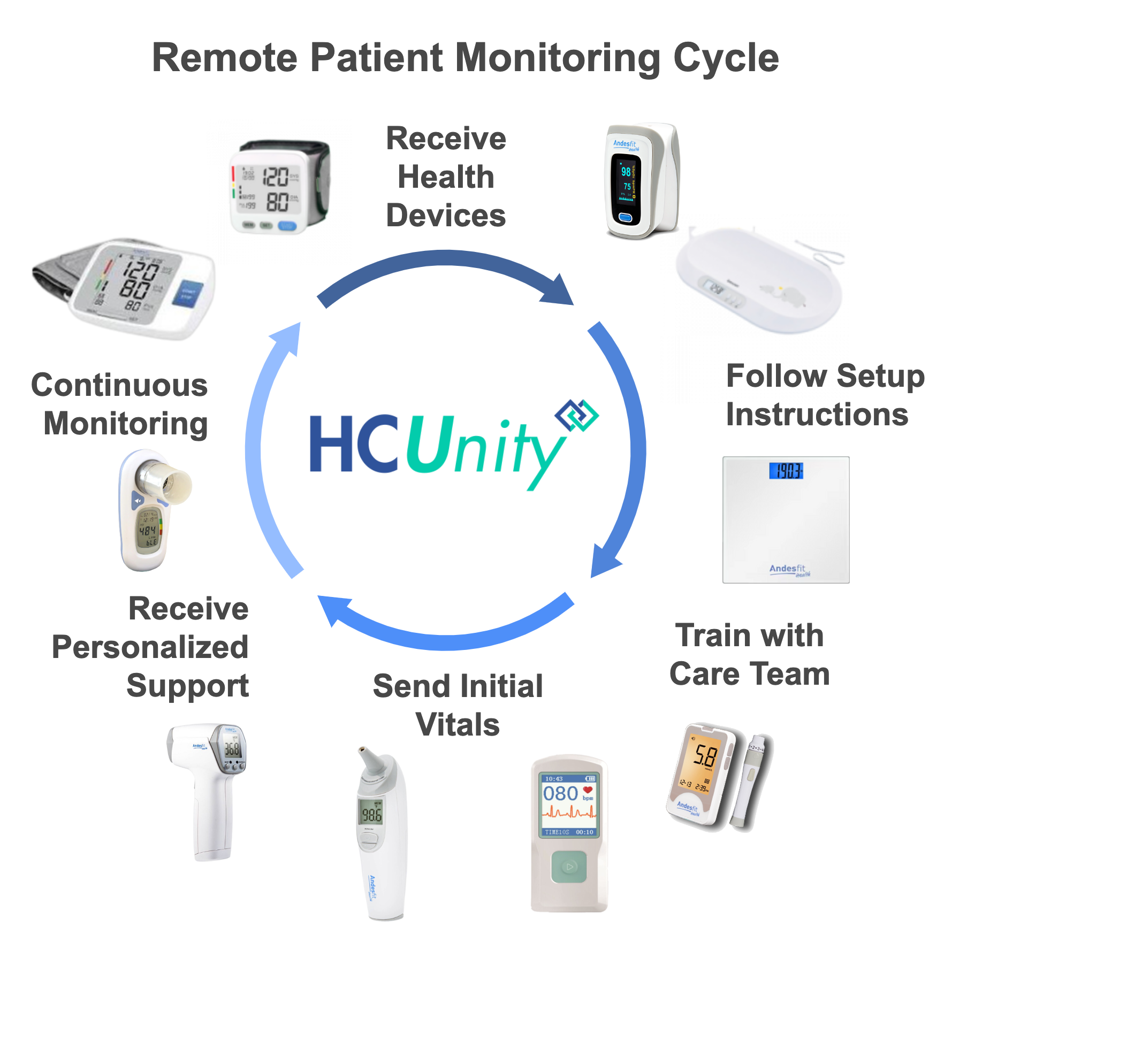
Devices and Tablet for Remote Patient Monitoring
Our Bluetooth health devices are ready to use right out of the box with our Digital Health Connect tablet.
Easy Tablet Support for Patients
At HCUnity, we make it simple for patients to use our tablets to monitor their health from home. Setting up the device is quick and requires no patient configuration. If a patient has trouble, our team can log into the tablet to see precisely what they see. This helps us guide them quickly, especially older patients who may not be as comfortable with technology.
Streamlined Logistics, Simplified Care
Efficient device management that lowers costs and supports your care programs.
Patients receive ready-to-use devices, while returned equipment is securely refurbished and inventoried for your next enrollment—delivering lower costs, less waste, and reliable support for RPM, CCM, APCM, Telehealth, and more.
Remote Patient Monitoring (RPM) 2025 CPT Codes & Reimbursement Guide
Your content goes here. Edit or remove this text inline or in the module Content settings. You can also style every aspect of this content in the module Design settings and even apply custom CSS to this text in the module Advanced settings.
As of 2025, the Centers for Medicare & Medicaid Services (CMS) have outlined the following CPT codes and corresponding national average reimbursement rates for Remote Patient Monitoring (RPM):
Initial Setup and Patient Education:
- CPT 99453 $19.73: Covers the initial setup of RPM devices and patient education on their use. This is a one-time billable service per device
Device Supply and Data Transmission:
- CPT 99454 $43.02: Pertains to the monthly supply of devices and the transmission of collected data. To bill this code, the device must be used for at least 16 days within a 30-day period.
Remote Monitoring and Management:
-
CPT 99457 $47.87: Includes the first 20 minutes of remote monitoring and management services provided by a physician, clinical staff, or qualified healthcare professional over a 30-day period. This code requires interactive communication with the patient.
-
CPT 99458* $38.49: An add-on code for each additional 20 minutes of remote monitoring and management services within the same 30-day period.
Key Billing Requirements:
-
RPM devices must meet the FDA’s definition of a medical device.
-
For CPT codes 99453 and 99454, data must be collected for at least 16 days within a 30-day period to qualify for billing.
-
Patient Consent: Patients must consent to RPM services, which should be documented in their medical records.
-
Interactive Communication: CPT codes 99457 and 99458 require interactive communication between the patient and the healthcare provider during the month.
*Please note that these reimbursement rates are national averages and may vary based on geographic location and other factors. For the most accurate and up-to-date information, it’s advisable to consult the CMS Physician Fee Schedule or your local Medicare Administrative Contractor.
Resources
Telehealth and Remote Patient Monitoring

https://www.cms.gov/medicare/coverage/telehealth/remote-patient-monitoring
The Medicare Learning Network
https://www,cms.gov/training-education/medicare-learning-network/resources-training